
City View Apartments: What to Look For and Where to Find Them
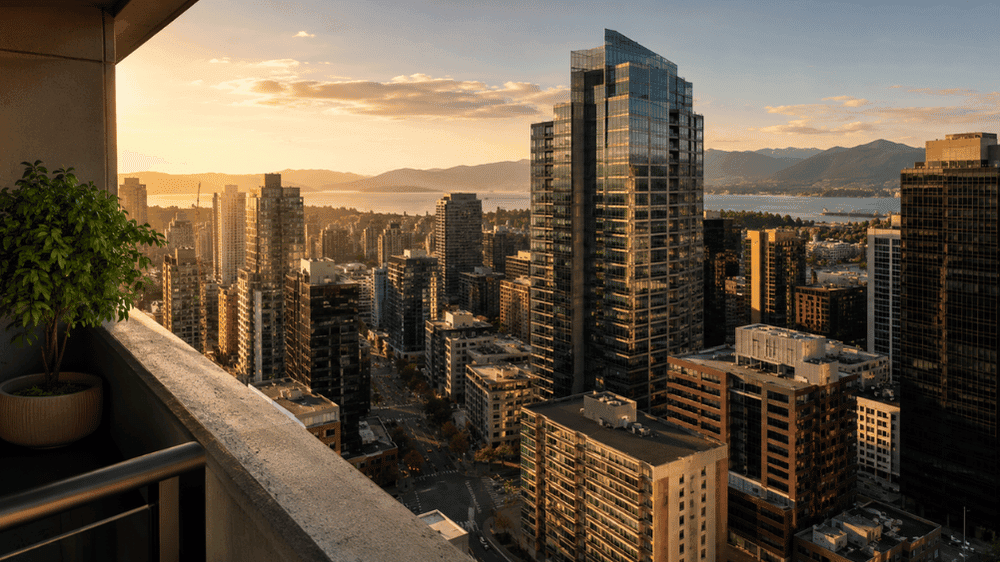
City view apartments are rental units positioned to provide sightlines to a city skyline, downtown core, or dense urban landscape. The phrase appears in thousands of listings, but what the view actually delivers varies dramatically by floor, unit exposure, and building position.
Last reviewed: July 2026
City view apartments are rental units positioned to provide sightlines to a city skyline, downtown core, or dense urban landscape. The phrase appears in thousands of listings, but what the view actually delivers varies dramatically by floor, unit exposure, and building position. Units marketed as "city view" range from verified high-floor panoramas to ground-level windows facing a parking structure. This guide covers what the term actually means, how to verify the view before signing a lease, and what city view apartments cost in major markets (as of Q3 2026).
What a City View Apartment Actually Means
A city view apartment is a rental unit with sightlines to a city skyline, downtown core, or dense urban landscape, typically found in high-rise buildings, elevated neighborhoods, or hillside properties. The term is not regulated. Landlords apply it to any unit that technically faces outward, which means the quality of the view varies enormously.
Three tiers exist in practice:
Verified city view: A unit where the sightline to the skyline or urban landscape is confirmed by floor-level photography and unobstructed by adjacent structures. These are high-floor units (typically floor 10 and above) with direct exposure toward the downtown core.
Partial city view: A unit with an angled or limited sightline to a skyline element, often from a corner position or mid-floor placement. Frequently marketed with the same label as a verified city view.
Interior-facing marketed as "city view": A unit on a lower floor or with windows facing a courtyard, adjacent building, or parking structure. The listing says "city view" because the building itself has city views, not the specific unit. This is the tier that disappoints renters most often.
brightplace shows available apartments with view details by floor and exposure. See what is available at app.brightplace.ai.
Why the Floor Level and Exposure Direction Matter More Than the Label
The two variables that determine whether a city view unit actually delivers are floor level and compass direction. Both matter more than the listing description.
Floor level: In most dense US urban markets, floor 10 and above generally clears street-level obstructions and adjacent low-rise structures (as of Q3 2026). In markets with dense mid-rise development, floors 15 to 20 may be needed. Below floor 10, tree canopy, adjacent buildings, and construction cranes frequently block what the listing calls a "city view."
Unit exposure is the compass direction a unit's primary windows face. In most US cities, west-facing units look toward downtown cores. Exceptions include Seattle, where eastern exposure captures Mt. Rainier and the Cascades, and parts of Los Angeles where hillside orientation matters more than compass direction. Always confirm the unit's compass exposure and cross-reference it with the city's downtown location before committing.
Corner units and angled views are often marketed as city view but may deliver only a sliver of skyline from one window. Request a photo taken from the specific unit at your floor, not a rooftop shot or building exterior image. This single step prevents more wasted tours than any other.
What City View Apartments Cost in Major Markets
City view units typically cost 8-20% more than comparable units in the same building without a view (as of Q3 2026). The rent premium is the additional monthly cost relative to a non-view unit, expressed as a percentage. Here is what to expect by city for a standard 1-bedroom with a verified city view:
New York City: $3,800-$7,500+/month, 10-20% premium (as of Q3 2026). The gap between Manhattan and Long Island City is significant. LIC offers comparable skyline views at 20-30% lower rent than equivalent Manhattan units. For more on the NYC rental market, see brightplace's guide to one-bedroom apartments in NYC.
Chicago: $2,400-$4,000/month, 8-15% premium (as of Q3 2026). Streeterville, River North, and South Loop neighborhoods have the highest concentration of high-rise inventory with skyline views. Units with both lake and skyline exposure carry an additional premium.
Seattle: $2,200-$3,800/month, 8-15% premium (as of Q3 2026). South Lake Union and First Hill offer the strongest downtown skyline views. Seattle is consistently cited by renters as the market where view premiums feel most justified, due to the combination of mountains, water, and the Space Needle in the sightline.
Los Angeles: $2,700-$4,800/month, 10-18% premium (as of Q3 2026). DTLA high-rises perform as expected by floor, but properties in Koreatown, Hollywood, and hillside-adjacent areas sometimes provide comparable or superior views from the third or fourth floor due to elevation advantage. In LA, hillside positioning can matter more than floor count.
Austin and Nashville: $2,000-$3,500/month, 5-12% premium (as of Q3 2026). Both markets have growing high-rise inventory with genuine city view units in newer towers near their downtown cores. Premiums are lower than gateway cities because the high-rise supply is newer and expanding.
brightplace tracks available inventory across these markets. See what is currently listed at app.brightplace.ai.
How to Search for City View Apartments Without Wasting Tours
- Filter by floor, not just the "city view" tag. Request available floors in writing before scheduling a tour. Units below floor 10 in dense markets rarely deliver a genuine city view.
- Ask for a photo from the specific unit. Not the rooftop. Not the building exterior. The actual unit at the actual floor you would rent. This is the single most important verification step.
- Check compass orientation using the building address. West-facing units in most US cities face downtown. Confirm before touring.
- Ask about adjacent construction permits. Views blocked by an active crane or new development are a known risk in growing markets like Nashville, Austin, and parts of Brooklyn. One new building can permanently obstruct a view with little advance notice.
- Visit during the day and at night. City view units derive significant appeal from evening skyline lighting. A unit that feels underwhelming at 2 PM may look entirely different at 9 PM.
For a broader list of what to check on any apartment tour, see brightplace's guide to questions to ask when touring an apartment.
Tradeoffs to Consider Before Committing
City view apartments come with real tradeoffs that listings do not mention. Weigh these before paying the premium:
Noise exposure: High-floor city-facing units often face highway corridors or downtown activity zones. Higher floors reduce street noise but can introduce wind noise and building sway, particularly in lakefront or waterfront buildings.
Heat gain and cooling costs: South- and west-facing glass-heavy units can add $50-$150/month in cooling costs during summer months (as of Q3 2026). More than 75% of direct sunlight hitting windows enters as heat.
Elevator dependency: Above floor 15, elevator reliability becomes a daily factor. Outages, rush-hour wait times, and moving logistics are recurring complaints in high-rise living.
View permanence: Adjacent construction can obstruct a view after move-in. In growth markets like Nashville and Austin, this risk is higher. Ask the leasing office about permitted construction on adjacent parcels before signing.
Hedonic adaptation: Some renters report that the initial excitement of a city view fades within the first few months. If you work from home, the view tends to hold its value longer because you experience it throughout the day. If you commute and are home mainly in the evenings, practical factors like space, noise, and location may matter more for long-term satisfaction.
The quiet-neighbor factor: Higher floors tend to attract residents willing to pay more, which often correlates with quieter living environments. This indirect benefit may be worth as much as the view itself.
For a complete breakdown of costs beyond base rent, see brightplace's guide to renting an apartment.
Last reviewed: July 2026
Frequently Asked Questions About City View Apartments
What qualifies as a city view apartment?
A city view apartment is a rental unit with sightlines to a city skyline, downtown core, or dense urban landscape. The phrase is used loosely in listings. A verified city view typically requires a high-floor position (floor 10 or above in most markets) with no adjacent building obstructing the outward sightline (as of Q3 2026).
How much more does a city view apartment cost?
City view units typically rent for 8-20% more than comparable units in the same building without a view (as of Q3 2026). The premium varies by floor level, exposure direction, and market. In New York City and Los Angeles, the premium at high floors in prime buildings can exceed 20%.
What floor do you need to be on for a city view?
In most dense US urban markets, floor 10 and above generally clears street-level obstructions and adjacent low-rise structures. In markets with dense mid-rise development, floors 15 to 20 may be needed. Always confirm the specific floor's sightline, not just the building's general view claim.
What direction should a city view apartment face?
In most US cities, west-facing units look toward downtown cores. Exceptions include Seattle, where eastern exposure captures Mt. Rainier and the Cascades, and parts of Los Angeles where hillside orientation matters more than compass direction. Always confirm the unit's compass exposure before committing.
Are city view apartments worth the premium?
It depends on your daily routine. Renters who work from home consistently report higher satisfaction with view premiums because they experience the view throughout the day. Renters who commute often find the novelty fades within a few months. The sweet spot for most renters is a $100-$300/month premium (as of Q3 2026); above that, satisfaction tends to drop.
How do I verify the view before signing a lease?
Ask the leasing office for a photo taken from inside the specific unit at your floor. Request the compass orientation. Check for active or permitted construction on adjacent parcels. Visit in person during both daytime and evening if possible. Do not rely on building exterior photos or rooftop shots.
Why do some listings say "city view" when the view is blocked?
"City view" is not a regulated term in rental listings. Landlords apply it to any unit that technically faces outward, including units on low floors blocked by adjacent structures. Partial views and interior courtyard views are sometimes marketed identically to genuine high-floor skyline views. Verification before touring is the only reliable protection.
Do city view apartments in Los Angeles require a high floor?
Not always. Los Angeles is unusual in that hillside positioning can deliver city views from low-rise buildings. DTLA high-rises perform as expected by floor, but properties in Koreatown, Hollywood, and hillside-adjacent areas sometimes provide comparable views from the third or fourth floor due to elevation advantage (as of Q3 2026).
Ready to find a city view apartment? brightplace shows available units by floor and exposure so you can filter for views that are real. Start your search at app.brightplace.ai.