Off-Campus Apartments Near UT Austin
Where to Live in West Campus and Beyond at the University of Texas
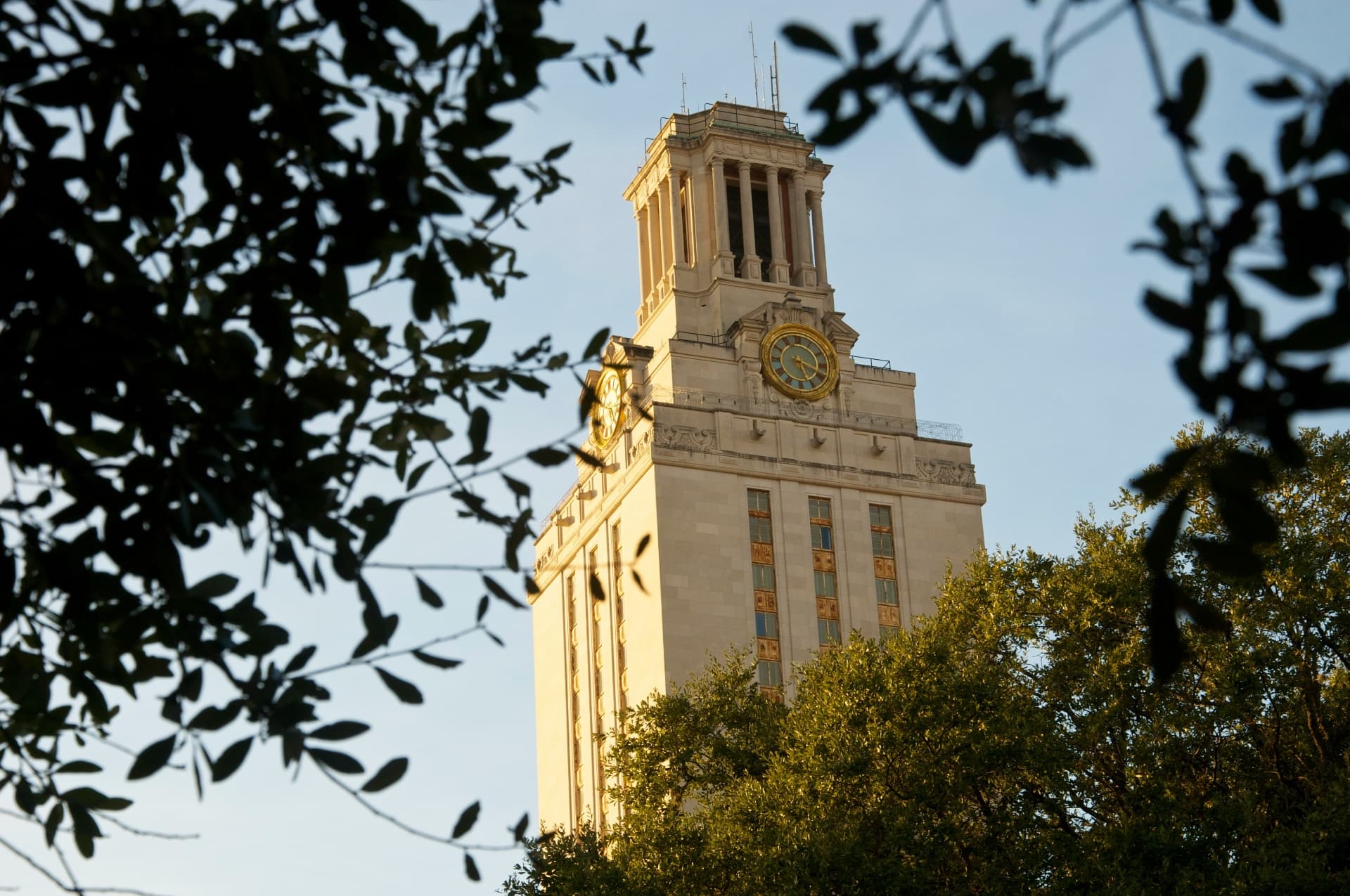
The University of Texas at Austin enrolls more than 53,000 students on a 431-acre campus at the center of the city. UT does not require freshmen to live on campus, so the off-campus housing market is the default from day one. Most undergraduates end up in West Campus, the dense, walkable neighborhood directly west of the university that has become one of the most active purpose-built student housing markets in the country.
West Campus is where this guide focuses. Over the past decade, developers have replaced older low-rise apartments and houses with high-rise towers offering individual leases by the bed, fully furnished units, resort-level amenity packages, and rates that range from roughly $1,000 to $2,400 per person per month depending on floor plan and building. The competition is intense, and buildings differentiate on amenities, proximity, and social atmosphere.
Outside West Campus, students also live in North Campus and Hyde Park (quieter, more affordable, older housing stock), East Riverside (budget-friendly but farther from campus), and co-op housing (the cheapest option, community-managed). This guide covers all of these options, with the deepest focus on West Campus because that is where the largest inventory of purpose-built student housing sits.
| Area | Per-Person Rent | Campus Access | Furnished | Lease Type |
|---|---|---|---|---|
| West Campus | $1,000 - $2,400 | 5-10 min walk | Yes (standard) | By the bed |
| North Campus | $900 - $1,400 | 10-15 min walk | Sometimes | By the unit |
| East Riverside | $700 - $1,300 | Bus / car | Rarely | By the unit |
| Co-ops | $600 - $900 | Walk / bike | Varies | Membership |
In this guide
West Campus
West Campus is UT student housing. The neighborhood stretches from Lamar Boulevard east to Guadalupe Street (the Drag), and from roughly 21st Street north to 29th Street. Within that footprint, more than a dozen purpose-built student housing towers have opened since 2019, most of them between 15 and 30 stories. The result is a neighborhood that is dense, walkable, and almost entirely student-occupied.
The Drag, on the eastern edge, is the commercial spine: Cabo Bob’s, Halal Bros, Kerbey Lane Cafe, and dozens of other restaurants, coffee shops, and late-night spots line Guadalupe. Cain and Abel’s, the neighborhood bar, is a social anchor. Greek houses are scattered throughout West Campus, and the social scene on football weekends is hard to overstate.
Rent in West Campus ranges from roughly $1,000 per person per month for a bed in a larger shared unit (4x4 or 5x5) to $2,400 or more for a studio or premium one-bedroom. Most buildings offer individual leases, fully furnished units, in-unit washer and dryer, and amenity packages that include rooftop pools, fitness centers, study lounges, and coffee bars. The leasing cycle starts early: buildings begin leasing for the following fall as early as October, and the best units at popular buildings fill by February.
Good fit if: you want to walk to class, live in the center of the social scene, and have access to resort-style amenities.
Tradeoff: higher rent than any other area near UT, noise on weekend nights, and limited parking.
Yugo Waterloo
Studios and shared floor plans | Yugo | From ~$1,200/person/mo
Villas on Rio
1-bedroom and shared floor plans | PeakMade Real Estate | From ~$1,000/person/mo
26 West
Managed by: American Campus Communities | Starting from: ~$1,100/person/mo
- ACC is the largest student housing operator in the country (200+ properties, Blackstone-owned)
- Fully furnished units, with a full amenity package including pool, fitness center, and study lounges
- SMART housing eligible, meaning some units are available at reduced rates for students receiving needs-based financial aid
- Located in West Campus with direct walkability to UT
North Campus and Hyde Park
North of the university, past Dean Keeton Street, the housing stock shifts from high-rise towers to older apartment complexes, duplexes, and converted houses. North Campus and the adjacent Hyde Park neighborhood appeal to students who want more space, lower rent, and a quieter living environment. The area is roughly a 10- to 15-minute walk or bike ride to the center of campus.
Rent here typically runs $900 to $1,400 per person per month, and units are more likely to be leased by the unit rather than by the bed. Furnished options exist but are less common than in West Campus. The tradeoff is that you are farther from the social center of student life, and the buildings lack the resort-style amenities of the towers. The upside is tree-lined streets, neighborhood coffee shops like Lucky Lab, and proximity to restaurants along Guadalupe and Duval.
Good fit if: you want quieter living, more space for the money, and do not need to be in the middle of the West Campus social scene.
Tradeoff: fewer amenities, older buildings, and a longer walk or bike ride to campus and the Drag.
East Riverside
East Riverside sits about three miles southeast of campus along Riverside Drive. This corridor has historically been the budget option for UT students, with conventional apartment complexes offering unit leases at significantly lower rents than West Campus. One-bedroom apartments can be found for $1,000 to $1,300 per month, and two-bedrooms split between roommates bring the per-person cost well below $800.
The tradeoff is distance. You will need a car, a bus pass, or a long bike ride to reach campus. CapMetro bus routes serve the corridor, but headways are longer than ideal. The neighborhood is changing rapidly, with new mixed-use development replacing older complexes, but it remains the best value option for students who prioritize savings over proximity.
Good fit if: you want the lowest per-person rent near UT and are comfortable commuting to campus.
Tradeoff: distance from campus, car or bus required, and the neighborhood is in transition.
Co-op Housing
The University of Texas has one of the most active co-op housing systems in the country, operated by the Inter-Cooperative Council (ICC) and College Houses. Co-ops are community-managed houses where residents share cooking, cleaning, and governance responsibilities in exchange for significantly lower rent. Monthly costs typically range from $600 to $900, making co-ops the most affordable housing option near campus.
Co-ops appeal to students who value community, sustainability, and affordability. The houses are social and often tight-knit. The tradeoff is shared living spaces, communal meals, and required chore hours. Some co-ops have waitlists, and the social culture varies significantly from house to house.
Good fit if: you want the cheapest rent near campus and enjoy communal living.
Tradeoff: shared spaces, required chores, and less privacy than an apartment.
Rent at most West Campus buildings includes Wi-Fi, cable, and furnishings. Electricity and water are typically sub-metered and billed separately through a third-party service. Budget an additional $50 to $100 per month depending on usage. Parking, where available, adds $100 to $200 per month. Renter’s insurance is required at most properties and costs $10 to $20 per month.
Know Before You Sign
Leasing starts early
West Campus buildings begin leasing for the following August as early as October. The most popular floor plans at top buildings can fill by January or February. If you know where you want to live, do not wait until spring.
SMART housing
Austin’s SMART (Safe, Mixed-Income, Accessible, Reasonably Priced, Transit-Oriented) housing program requires certain new developments to set aside units at reduced rates for students receiving needs-based financial aid. Several West Campus buildings, including 26 West and Yugo Waterloo, participate. Check eligibility through UT’s financial aid office.
Parking is limited and expensive
Most West Campus buildings charge $100 to $200 per month for garage parking, and spots are first-come, first-served. Many students go without a car entirely. Campus is walkable, and the Drag has everything you need day to day.
Subletting and reletting
If you need to leave your lease early, most buildings allow you to relet (find a replacement tenant) or sublet. Terms vary by property. Ask about the relet process before you sign.
Utilities are usually extra
Rent at most West Campus buildings includes Wi-Fi, cable, and furnishings. Electricity and water are typically sub-metered and billed separately through a third-party service. Budget an additional $50 to $100 per month depending on usage.
Renter’s insurance is required
Most student housing properties require proof of renter’s insurance or enrollment in a liability waiver program. Policies typically cost $10 to $20 per month.
The tier system raises prices
Many West Campus buildings use a tier pricing system: the earlier you sign, the lower the rate. After a certain number of leases are signed, prices increase to the next tier. This creates urgency, but it also means that late-season shoppers may find availability at buildings that seemed full earlier in the cycle.
Trying to figure out which of these actually fits how you want to live?
brightplace is building a better way to find your next apartment.
Explore more neighborhoods at brightplace.ai
Frequently Asked Questions About Off-Campus Housing Near UT Austin
How much is rent near UT Austin?
Per-person rent near UT Austin runs about $1,000 to $2,400 a month in West Campus, $900 to $1,400 in North Campus and Hyde Park, and $700 to $1,300 in East Riverside. Co-ops are the cheapest at roughly $600 to $900. Prices vary by floor plan and building, so verify current rates directly.
Where do most UT Austin students live off campus?
Most UT Austin undergraduates live in West Campus, the dense, walkable neighborhood directly west of the university. It runs between Lamar Boulevard and Guadalupe Street (the Drag), roughly 21st to 29th Street, and holds the largest inventory of purpose-built student housing. Other options include North Campus, Hyde Park, East Riverside and co-ops.
Do freshmen have to live on campus at UT Austin?
No. UT Austin does not require freshmen to live on campus, so the off-campus housing market is the default from day one. With more than 53,000 students enrolled, many start their search in West Campus, where purpose-built towers offer individual leases, furnished units and amenity packages within walking distance of class.
When should I start looking for West Campus housing?
Start in the fall. West Campus buildings begin leasing for the following August as early as October, and popular floor plans at top buildings can fill by January or February. Many buildings use tier pricing, so early signers get lower rates, though late-season shoppers sometimes find openings at buildings that seemed full.
What is a by-the-bed lease in West Campus?
A by-the-bed lease is an individual lease for your own bedroom, and most West Campus buildings use it. The building assigns roommates for shared areas if you do not bring your own. Your rent obligation is independent of your roommates', which protects you if one moves out, but you may live with someone you did not choose.
What is the cheapest housing near UT Austin?
Co-op housing is the cheapest option near campus, typically $600 to $900 a month. Co-ops are community-managed houses operated by the Inter-Cooperative Council and College Houses, where residents share cooking, cleaning and governance. Expect shared spaces, communal meals, required chore hours and less privacy, and some houses have waitlists.
Do I need a car as a UT Austin student?
Not if you live in West Campus. Campus is walkable, the Drag covers daily needs and many students go without a car, while garage parking costs $100 to $200 a month where available. East Riverside, about three miles southeast of campus, requires a car, a bus pass or a long bike ride.
What costs are on top of rent in West Campus?
Rent at most West Campus buildings includes Wi-Fi, cable and furnishings, but electricity and water are usually sub-metered and billed separately through a third-party service. Budget an extra $50 to $100 a month for utilities, $100 to $200 for parking if you need it, and $10 to $20 for required renter's insurance.
Prices and availability change. Verify all details directly with the property before making a decision.
brightplace student housing guide | austin, tx | 2026
How this article was made: brightplace used AI tools to help research, draft and update this article.