Philadelphia: A Renter's Orientation
Philadelphia: A Renter's Orientation
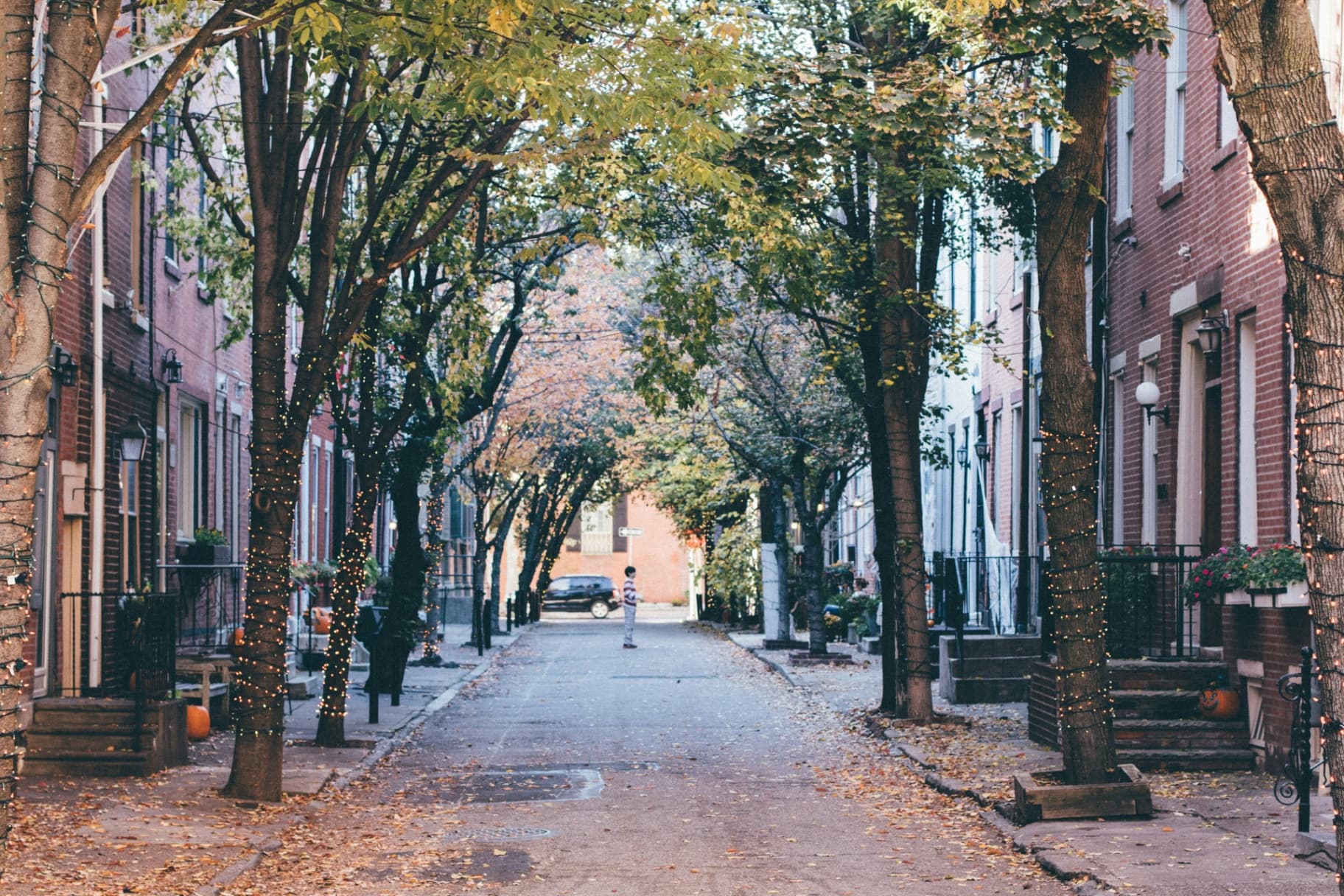
Philadelphia is the most walkable large city on the East Coast that is not New York, and that walkability is the single biggest reason people move here and stay. The core neighborhoods are built on a grid of narrow streets, brick rowhouses, and commercial corridors that put restaurants, coffee shops, parks, and grocery stores within a genuine walk of most apartments. If you are coming from a city where walkability is a marketing claim rather than a daily reality, Philadelphia will surprise you.
The other thing that defines the Philly rental market is value. One-bedroom rents citywide average around $1,545 to $1,835 depending on the source, which is meaningfully cheaper than New York, Boston, or Washington, DC for comparable walkability and transit access. A two-bedroom in Queen Village or Fairmount that would cost $4,500 in Brooklyn rents for $2,200 here. That gap is the engine driving migration from higher-cost cities, and it is the reason Philadelphia's most desirable neighborhoods are getting more competitive every year.
Philadelphia is also a city of genuinely distinct neighborhoods. The difference between Fishtown and Rittenhouse, or between Fairmount and East Passyunk, is not just price. It is texture, architecture, restaurant culture, and the kind of daily life each area supports. Getting the neighborhood right matters more here than in most cities because each one functions like a small town with its own commercial strip, its own regulars, and its own rhythm.
One thing to know upfront: Philadelphia's reputation for grit is earned, and the city does not hide its rough edges. But residents who have lived in multiple cities consistently describe Philly's negatives as overstated and its positives as undersold. The neighborhoods covered in this guide are the ones where renters report feeling genuinely at home.
| Neighborhood | 1BR Rent Range | Best For | Tradeoff | Transit |
|---|---|---|---|---|
| Fishtown | $1,600 to $2,200 | Walkability, nightlife, creative energy | Gentrifying, prices rising | Market-Frankford Line |
| Rittenhouse / Fitler Sq | $2,100 to $2,600 | Park, dining, walkable to everything | Most expensive, parking difficult | Bus, bikeable, walkable |
| Fairmount | $1,500 to $1,900 | Art Museum, parks, residential calm | Less retail, quieter nightlife | Bus, bikeable to Center City |
| East Passyunk | $1,400 to $1,900 | Restaurant row neighborhood feel | Parking scarce, less transit | Broad Street Line nearby |
| Queen Village | $1,800 to $2,400 | Cobblestone charm, strong schools | Premium pricing, competitive | Bus, walkable to Center City |
| Northern Liberties | $1,700 to $2,200 | Modern builds, lifestyle amenities | Less historic character | Market-Frankford Line |
| Graduate Hospital | $1,600 to $2,100 | Central, more space, calmer pace | Less destination dining | Bus, bikeable |
| Chestnut Hill / Manayunk | $1,300 to $1,800 | Small-town feel inside city limits | Car helpful, further from core | Regional Rail |
In this guide
- Fishtown
- Rittenhouse Square / Fitler Square
- Fairmount
- East Passyunk / Bella Vista
- Queen Village / Society Hill
- Northern Liberties
- Graduate Hospital
- Chestnut Hill and Manayunk
- Getting Around
- The Case for Philadelphia
Fishtown
Fishtown has become one of the most in-demand neighborhoods in Philadelphia, and the energy is genuine rather than manufactured. Named for the shad fishing industry that built it in the 18th and 19th centuries, the neighborhood retains its cobblestone streets and red-brick buildings while supporting a restaurant, bar, and live music scene that draws people from across the city. Frankford Avenue is the main commercial spine, lined with independent coffee shops (La Colombe started here), record stores, vintage shops, and restaurants ranging from wood-fired pizza to upscale tasting menus.
Fishtown works well for renters who want to feel embedded in a neighborhood with genuine character and walkable access to most of what they need on a daily basis. The Fillmore Philadelphia and smaller venues like Johnny Brenda's and Kung Fu Necktie make it one of the strongest live music neighborhoods in the city. The Market-Frankford Line (the El) connects Fishtown to Center City in under 10 minutes via the Girard station. Parks include Penn Treaty Park on the waterfront and Palmer Park in the interior.
One-bedrooms run $1,600 to $2,200, with converted industrial lofts and newer construction at the higher end and older rowhouse apartments at the lower end. New apartment construction along Front Street near the El stations has been significant, with nearly 450 units under construction as of September 2026 and another 170 proposed. That supply pipeline should help moderate prices over time.
The tradeoff is that Fishtown's popularity has driven prices up steadily. Renters arriving from New York or DC still find it affordable by comparison, but longtime Philadelphians have been vocal about the pressure that migration from higher-cost cities has placed on rents. That tension is part of the neighborhood's current reality.
Best for: Young professionals and creatives who want walkability, nightlife, and neighborhood energy with strong transit access to Center City.
Rittenhouse Square / Fitler Square
Rittenhouse Square is Philadelphia's most celebrated park and the neighborhood surrounding it is the city's most established upscale residential area. Five-star restaurants, boutique shopping, private gyms, and a twice-weekly farmers market surround the park itself. The streets radiating outward are lined with historic rowhouses, walk-up flats with high ceilings, and luxury high-rises with doormen and concierge service.
Fitler Square, the quieter neighborhood just to the west, shares Rittenhouse's walkability with a more residential feel. The Schuylkill River Trail is right there, connecting to a playground, tennis courts, basketball courts, and a large dog park at Schuylkill River Park. A walk from Fitler Square to 30th Street Station takes about 15 minutes, which makes SEPTA Regional Rail commutes to the Main Line or other suburban employment centers genuinely practical.
One-bedrooms in the Rittenhouse area average around $2,100 to $2,600, with luxury units well above that. Fitler Square tends to run slightly less than Rittenhouse proper. The area is full of families, particularly around Fitler Square where the Schuylkill River Park playground draws strollers every weekend. Twice a week, car-free street days near Rittenhouse Park have featured bubbles, scooters, and family activities.
The tradeoff is price and parking. This is the most expensive rental market in the city, and on-street parking is genuinely difficult. If you are bringing a car, budget for a monthly garage spot or accept that you will circle.
Best for: Renters who want Philadelphia's most walkable and amenity-rich daily life and are willing to pay the premium for it. Professionals who commute via Regional Rail from 30th Street Station.
1919 Market
Studios, 1-bedroom, 2-bedroom, and 3-bedroom apartments | LCOR Inc. | From ~$2,105/month
Fairmount
Fairmount sits just north of Center City, anchored by the Philadelphia Museum of Art, Boathouse Row, and Fairmount Park, one of the largest urban parks in the country. The neighborhood is quieter and more residential than Fishtown or Rittenhouse, with a long-term community feel where neighbors recognize each other and the blocks have a stability that newer neighborhoods lack. The architecture is handsome rowhouses, nice enough to make the walk to work feel like something rather than just a commute.
The lifestyle here is less retail, more living: runners and dog walkers on the Schuylkill River Trail, weekend mornings at Eastern State Penitentiary (now a museum and event venue), bike rides through the park to Center City. The Barnes Foundation, Rodin Museum, and Franklin Institute are all within a 15-minute walk. Restaurants and bars exist but the scene is more mid than Fishtown or East Passyunk. Residents who chose Fairmount over those neighborhoods consistently say they traded nightlife for peace of mind and do not regret it.
One-bedrooms run $1,500 to $1,900, with studios available from around $1,385 in newer buildings. The Goddard School has a location in the neighborhood, which matters for families with young children. Center City is walkable in good weather or a quick bike ride, and bus service connects the neighborhood to the Broad Street Line.
Best for: Renters who want to be near the Art Museum, Fairmount Park, and the Schuylkill River Trail while living in a genuine residential neighborhood. Families, dog owners, and anyone whose ideal weekend involves parks over bars.
Dalian on the Park
Studios, 1-bedroom, and 2-bedroom apartments | Bozzuto | From ~$2,835/month
East Passyunk / Bella Vista
East Passyunk Avenue runs diagonally through South Philadelphia and has become one of the city's strongest restaurant corridors. The commercial strip between Broad Street and Dickinson is packed with independent restaurants that punch well above their weight: Bing Bing Dim Sum, Fond, Will BYOB, and ITV are among the anchors. The annual Feastival street food event draws thousands. Singing Fountain at Tasker Street is the neighborhood's informal town square.
Bella Vista, just to the north, includes the Italian Market on 9th Street, the oldest continuously operating open-air market in the country. The Italian Market is not a museum; it is a working market where residents buy produce, meat, cheese, and spices on a weekly basis. The combination of East Passyunk's restaurant corridor and the Italian Market creates a food infrastructure that is genuinely unusual for a neighborhood this size.
One-bedrooms run $1,400 to $1,900. The housing stock is predominantly rowhouses, and many rentals are in converted rowhouse units with character, uneven floors, and the occasional quirk. Newer apartment buildings exist but are less common than in Fishtown or Northern Liberties. Parking is scarce, and if you do not have a car, you will be fine. The Broad Street Line is accessible at Tasker-Morris station.
Best for: Food-focused renters who want a genuine neighborhood commercial strip and are comfortable in a primarily rowhouse rental market. Renters who do not need a car.
Queen Village / Society Hill
Queen Village and Society Hill are two of Philadelphia's oldest neighborhoods, and they deliver a cobblestone-street, brick-facade, mature-tree living experience that is difficult to find anywhere else at this price point. Society Hill's architecture dates to the colonial era and includes some of the most photographed residential blocks in the city. Queen Village, just to the south, is slightly more accessible in price and has a stronger village-within-the-city feel, with a year-round Sunday farmers market, independent shops, and walkable access to both the waterfront and the Italian Market.
Queen Village works particularly well for families. Meredith Elementary, the local public school, is consistently ranked among the strongest in the School District of Philadelphia, and it is a catchment school rather than a lottery school. Several well-regarded preschool programs are nearby. The neighborhood is also close to I-95 for driving commutes and walkable to Jefferson Station for SEPTA Regional Rail.
One-bedrooms run $1,800 to $2,400, with Society Hill at the higher end. Inventory is competitive because residents tend to stay, and the combination of school quality, walkability, and character draws families who are making long-term decisions.
Best for: Families who want a strong public school catchment, historic architecture, and a genuine neighborhood community. Renters relocating from DC or New York who want a comparable quality of life at a lower cost.
Northern Liberties
Northern Liberties sits between Fishtown and Old City and has transformed over the last two decades from a former manufacturing district into one of Philadelphia's most modern residential neighborhoods. If you are looking for the quintessential historic Philly rowhouse experience, this is not the neighborhood for you. What Northern Liberties delivers instead is newer construction, modern layouts, lifestyle amenities, and a walkable strip of restaurants, cafes, and shops along North 2nd Street and Liberties Walk.
The Piazza, a European-style public square, hosts events year-round and functions as the neighborhood's social center. The Market-Frankford Line connects the neighborhood to Center City, and the walk to Old City takes about 15 minutes. One-bedrooms run $1,700 to $2,200, with newer condo-style apartments and townhomes at the higher end.
Northern Liberties draws renters who want modern finishes, open floor plans, and in-unit amenities without the headaches of older building stock. The tradeoff is that the neighborhood lacks the historic texture of Fishtown or Queen Village. It is sleek and convenient rather than charming.
Best for: Renters who prioritize modern construction, lifestyle amenities, and walkable convenience over historic character.
The Carson
Studios, 1-bedroom, and 2-bedroom apartments | Bozzuto | From ~$1,795/month
Graduate Hospital
Graduate Hospital sits south of Rittenhouse Square and west of Broad Street, and it checks a lot of boxes for renters who want to stay central but need more space and a calmer pace than Center City offers. The neighborhood is distinctly residential: renovated rowhouses, new construction townhomes with rooftop decks, block parties, and a high concentration of young families who have made Graduate Hospital their long-term home.
The Schuylkill River Trail is walkable from the western edge of the neighborhood, and Rittenhouse Square is a 10- to 15-minute walk north. Hospitals, universities, and Center City employment centers are all close. One-bedrooms run $1,600 to $2,100, and the value proposition is genuine: you get meaningfully more space per dollar than in Rittenhouse or Center City, with most of the same walkable amenities within reach.
The tradeoff is that Graduate Hospital does not have its own destination dining or nightlife corridor. You are borrowing from Rittenhouse, South Street, or East Passyunk for most of your going-out options, which is fine if you are the kind of renter who values the apartment and the neighborhood feel over being in the middle of a commercial strip.
Best for: Renters upgrading from tighter city apartments who want room to grow, families, and professionals who value residential calm with Center City proximity.
Chestnut Hill and Manayunk
Chestnut Hill and Manayunk are both within Philadelphia city limits but operate like small towns with their own commercial strips, their own community events, and their own identities. Chestnut Hill sits at the northwestern edge of the city with a Germantown Avenue commercial corridor of independent shops, cafes, and restaurants that has been operating for over a century. The architecture is 19th and early 20th century, the streets are tree-lined, and the houses have yards. SEPTA Regional Rail connects Chestnut Hill to Center City.
Manayunk, a few miles south along the Schuylkill River, is cheaper and younger. Main Street runs along a hillside above the Manayunk Canal and is lined with restaurants, bars, and shops. The neighborhood is hillier than almost anywhere else in Philadelphia, which is both its charm and its daily cardio. Regional Rail connects Manayunk to Center City and 30th Street Station, though service on nights and weekends is less frequent.
One-bedrooms in both areas run $1,300 to $1,800, meaningfully cheaper than the central neighborhoods. The tradeoff is distance from the core and the reality that a car is helpful (though not strictly necessary if you live near a Regional Rail station). For renters who want green space, a small-town feel, and lower rent while remaining technically inside the city, these neighborhoods deliver.
Best for: Renters who want a small-town feel inside city limits, access to green space and trails, and lower rent than the central neighborhoods. Families and anyone who values quiet streets over urban energy.
Getting Around
Philadelphia's transit system, SEPTA, is genuinely functional in ways that matter for renters. The Broad Street Line (subway) runs north-south. The Market-Frankford Line (the El) runs east-west and connects Fishtown and Northern Liberties to Center City. Regional Rail connects the suburbs, Main Line, and outlying city neighborhoods like Chestnut Hill and Manayunk to Center City via 30th Street Station, Suburban Station, and Jefferson Station. Bus routes fill in the gaps. SEPTA is not the New York subway. Service frequency drops on nights and weekends, and some Regional Rail lines run on limited schedules. But for a daily commute from any of the neighborhoods in this guide to Center City, the transit infrastructure works.
Philadelphia is also one of the more bikeable large cities in the country, with the Schuylkill River Trail, the Delaware River Trail, and a growing network of bike lanes connecting most of the central neighborhoods. Parking is difficult in most desirable neighborhoods and genuinely terrible in Rittenhouse, Fishtown, and Center City. If you are moving from a city where you relied on a car, you may find you do not need one here. If you are keeping a car, budget accordingly for a monthly permit or garage spot and accept that on-street parking will test your patience.
The Case for Philadelphia
Philadelphia delivers walkable urban living, genuine neighborhood identity, and a food scene that competes with cities twice its cost, at price points that remain meaningfully below New York, Boston, and Washington, DC. The Schuylkill River Trail is one of the best urban trail systems in the country. The museum and cultural institution density per square mile rivals any city in the U.S. SEPTA, for all its limitations, provides real transit utility that most Sun Belt cities cannot offer.
The city also has a social texture that transplants describe consistently: Philadelphians are direct, loyal once you are in, and genuinely proud of their neighborhoods. The buy-in period is shorter than in cities with more guarded social cultures. Run clubs, bar trivia, neighborhood block parties, and the pervasive sports culture (everyone has an opinion about the Eagles, and they will share it) create natural entry points for building a social life.
The tradeoffs are real: some neighborhoods change character within a few blocks, winter is genuinely cold, and the city's infrastructure shows its age in places. But renters who do the neighborhood homework before signing a lease, visit in person, and choose a neighborhood that matches their daily life rather than just their budget tend to stay longer than they expected. Philadelphia is a city that grows on people.
Trying to figure out which of these actually fits how you want to live?
brightplace is building a better way to find your next apartment.
Explore more neighborhoods at brightplace.ai
Frequently Asked Questions About Renting in Philadelphia
How much is rent in Philadelphia?
One-bedroom rents in Philadelphia average around $1,545 to $1,835 citywide depending on the source, meaningfully cheaper than New York, Boston or Washington, DC for comparable walkability and transit. A two-bedroom in Queen Village or Fairmount that would cost $4,500 in Brooklyn rents for $2,200 in Philadelphia, which helps drive migration from higher-cost cities.
Is Philadelphia a walkable city?
Yes, Philadelphia is the most walkable large city on the East Coast that is not New York. Its core neighborhoods sit on a grid of narrow streets, brick rowhouses and commercial corridors that put restaurants, coffee shops, parks and grocery stores within a genuine walk of most apartments. It is also one of the more bikeable large cities.
What are the best neighborhoods in Philadelphia for renters?
Popular Philadelphia neighborhoods for renters include Fishtown, Rittenhouse Square and Fitler Square, Fairmount, East Passyunk and Bella Vista, Queen Village and Society Hill, Northern Liberties, Graduate Hospital, and Chestnut Hill and Manayunk. Each has its own commercial strip and rhythm, so matching the neighborhood to your daily life matters more than chasing the cheapest rent.
Do you need a car in Philadelphia?
Many renters moving from car-dependent cities find they do not need one in Philadelphia. SEPTA's Broad Street Line, Market-Frankford Line, Regional Rail and buses handle daily commutes to Center City from the core neighborhoods, though service drops on nights and weekends. Parking is difficult in most desirable neighborhoods, so car owners should budget for a permit or garage spot.
What are the most affordable neighborhoods in Philadelphia?
Chestnut Hill and Manayunk are among the most affordable options, with one-bedrooms at $1,300 to $1,800, though they sit farther from the core and a car is helpful. Closer in, East Passyunk runs $1,400 to $1,900 and Fairmount runs $1,500 to $1,900. Rittenhouse Square is the most expensive rental market in the city.
How much is rent in Fishtown, Philadelphia?
One-bedrooms in Fishtown run $1,600 to $2,200, with converted lofts and newer construction at the higher end and older rowhouse apartments at the lower end. Prices have risen steadily, but nearly 450 units were under construction along Front Street as of September 2026, with another 170 proposed, which should help moderate prices over time.
Which Philadelphia neighborhood is best for food lovers?
East Passyunk and Bella Vista suit food-focused renters best. East Passyunk Avenue is one of the city's strongest restaurant corridors, and Bella Vista includes the Italian Market on 9th Street, the oldest continuously operating open-air market in the country. One-bedrooms run $1,400 to $1,900, mostly in converted rowhouse units, and parking is scarce.
How much does it cost to live near Rittenhouse Square?
One-bedrooms in the Rittenhouse area average around $2,100 to $2,600, with luxury units well above that, making it the most expensive rental market in Philadelphia. Fitler Square, just to the west, tends to run slightly less. On-street parking is genuinely difficult, so renters with a car should budget for a monthly garage spot.
Prices and availability change. Verify all details directly with the property before making a decision.
brightplace city orientation guide | philadelphia, pa | 2026
How this article was made: brightplace used AI tools to help research, draft and update this article.