Miami: A Renter's Orientation
Miami: A Renter's Orientation
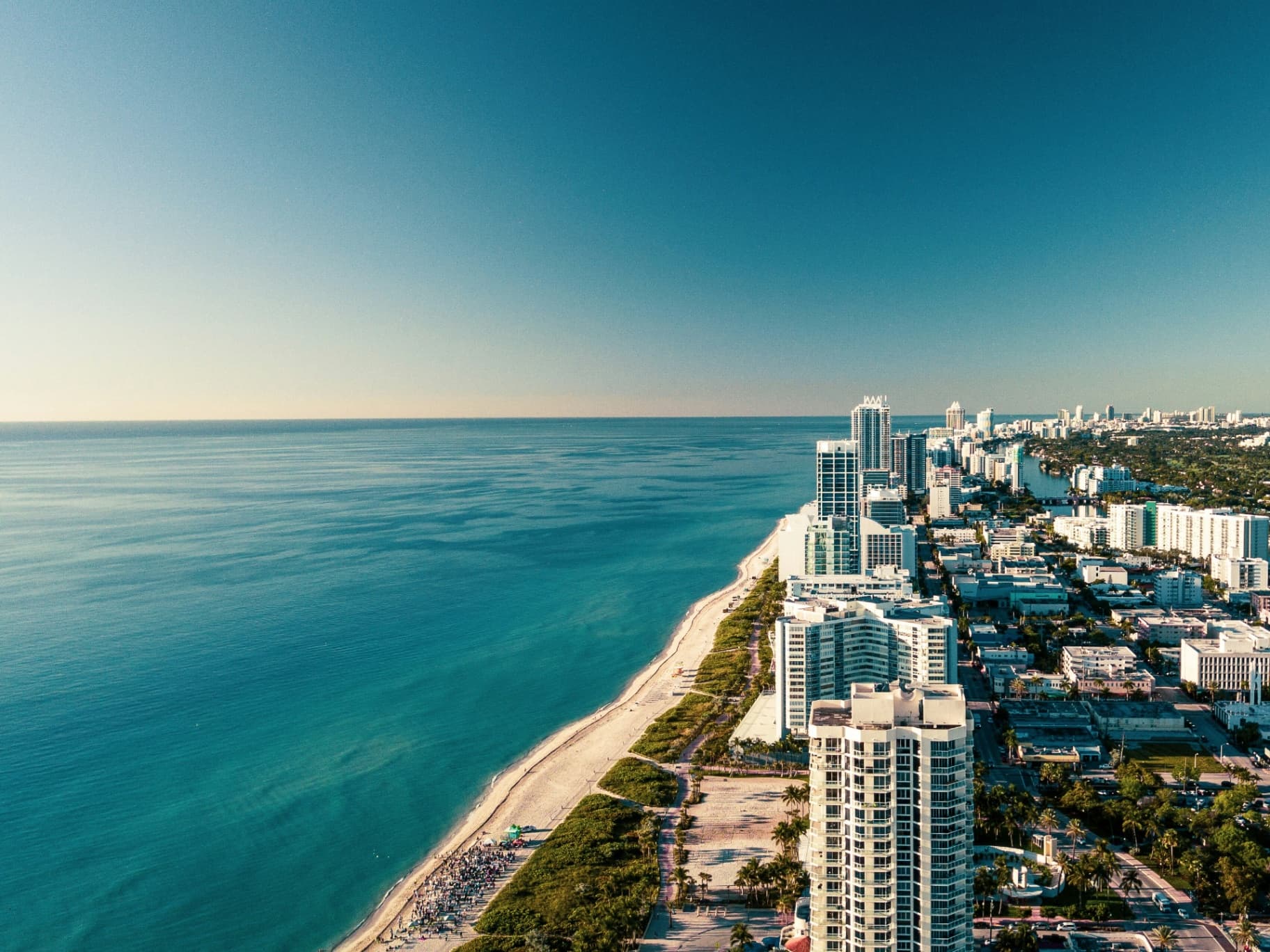
Miami is not one city. It is a collection of neighborhoods separated by causeways, highways, and water, each operating with its own rent structure, its own rhythm, and its own version of what Miami means. Brickell feels like a tropical Manhattan. Coconut Grove feels like a college town that grew up and got money. South Beach is both a global brand and a residential neighborhood trying to maintain the latter identity against the weight of the former. Getting the neighborhood right matters more here than in almost any city in this guide library because the wrong choice in Miami does not just cost you money. It costs you the version of the city you actually came for.
Miami is also expensive. One-bedroom rents citywide average around $2,677, which places Miami firmly in the top tier of U.S. rental markets alongside New York, San Francisco, and Boston. But unlike those cities, Miami has no state income tax, which partially offsets the rent premium for professionals relocating from high-tax states. The net math depends on your income and your origin city, but it is a real variable worth running before you sign a lease.
The other variable that catches newcomers off guard is insurance. Florida's property insurance market is in a structurally difficult period, and while renters insurance is not as expensive as homeowners insurance, flood coverage is a separate policy that standard renters insurance does not include. If you are renting in a ground-floor unit or in a neighborhood with known flooding history, contents-only flood coverage through the NFIP is available and worth pricing. Hurricane season runs June through November, and your building's construction quality and flood zone positioning matter.
What Miami delivers in return is a lifestyle that is difficult to replicate. Year-round outdoor living, genuine international culture, a restaurant scene that operates at a level most American cities cannot match, and a professional ecosystem that has grown substantially as finance, tech, and crypto firms have established or expanded Miami operations. The transplant wave that accelerated during and after COVID has created a population of ambitious, recently-arrived professionals who are building networks in real time, which makes the social entry point lower than Miami's reputation might suggest.
| Neighborhood | 1BR Rent Range | Best For | Tradeoff | Transit / Access |
|---|---|---|---|---|
| Brickell | $2,800 to $3,600 | Finance professionals, walkable urban | Expensive, crowded, no green space | Metro Mover, Metro Rail |
| Edgewater / Midtown | $2,400 to $3,200 | Bay views, quieter urban, design access | Car or bike needed, still developing | Bus, Miami Trolley |
| Coconut Grove | $2,200 to $3,000 | Tree canopy, parks, remote workers | Car needed, older buildings | Metro Rail, car recommended |
| Wynwood / Design Dist | $2,500 to $3,400 | Art scene, nightlife, creative energy | Tourist surges, noisy weekends | Bus, bikeable |
| South Beach | $2,600 to $3,500 | Beach lifestyle, walkable, global energy | Tourist crowds, seasonal swings | Bus, bikeable, causeway access |
| Coral Gables | $2,400 to $3,200 | Mediterranean architecture, UM campus | Car dependent, quieter evenings | Metro Rail, car recommended |
| Downtown | $2,500 to $3,300 | Central, cultural, transit hub | Transient feel, less community | Metro Mover, Metro Rail |
In this guide
- Brickell
- Edgewater / Midtown
- Coconut Grove
- Wynwood / Design District
- South Beach
- Coral Gables
- Downtown Miami
- Insurance, Heat, and Hurricane Season
- The Case for Miami
Brickell
Brickell is Miami's financial core, and for renters who want urban density, walkability, and a professional social scene, it is the default answer. The neighborhood is packed with high-rise condos, rooftop bars, and restaurants that cater to a young, educated, professional crowd. Brickell City Centre provides high-end shopping and entertainment within walking distance. The Metro Mover provides free access throughout the area and connects to the Metro Rail for travel to other Miami neighborhoods.
The walkability is genuine. Most daily errands can be accomplished on foot, which is unusual for Miami and a significant quality-of-life advantage. The dining scene ranges from casual lunch spots to restaurants that compete at a national level. The nightlife is sophisticated rather than Spring Break, with cocktail lounges and rooftop venues rather than clubs.
One-bedrooms run $2,800 to $3,600, with studios available from around $2,400. Brickell is 75% renter-occupied, which means the market is competitive and inventory turns over regularly. The tradeoff is price, density, and the near-total absence of green space. If your ideal weekend involves parks and trees rather than rooftops and restaurants, Brickell will feel one-dimensional quickly.
Best for: Young professionals in finance, tech, or legal who want walkable urban living with a professional social scene and are willing to pay the premium for convenience.
Maizon Brickell
Studios, 1-bedroom, 2-bedroom, and 3-bedroom apartments (482 to 1,952 sq ft) | ZRS Management | From ~$2,875/month
Edgewater / Midtown
Edgewater sits between downtown and the Design District along Biscayne Bay, offering waterfront views and a quieter residential energy than Brickell. Margaret Pace Park on the waterfront hosts regular farmers markets and community events, and the bay views from the newer high-rises are genuinely spectacular. Midtown, just to the west, is more commercial and connects directly to Wynwood and the Design District's galleries, restaurants, and luxury retail.
The combined area works well for renters who want urban convenience without the intensity of Brickell. The dining scene has grown substantially, with waterfront restaurants and Design District dining within walkable or bikeable range. The free Miami Trolley connects the area to Brickell, Downtown, and the Design District. One-bedrooms run $2,400 to $3,200.
The tradeoff is transit. While bus service and the Trolley exist, most residents find a car or bike share necessary for daily life beyond the immediate neighborhood. Newer buildings dominate the inventory, which means amenities are strong but the community feel of more established neighborhoods is still developing.
Best for: Renters who want bay views and urban convenience without the density and price of Brickell. Remote workers, creative professionals, and anyone who wants proximity to Wynwood and the Design District.
Midtown 5
Studios, convertibles, 1-bedroom, 2-bedroom, and 3-bedroom apartments (538 to 1,501 sq ft) | Greystar | From ~$2,193/month
Coconut Grove
Coconut Grove is the neighborhood that longtime Miami residents rank highest, and the appeal is straightforward: tree canopy, parks, waterfront dining, and a walkable downtown area (CocoWalk) that functions as a genuine neighborhood center rather than a tourist attraction. The Grove predates most of modern Miami and has a bohemian, artsy character that has survived decades of development pressure. Art festivals, boutique shops, and community events create a texture that Brickell and Downtown lack.
For remote workers, Coconut Grove is one of the best neighborhoods in Miami. Parks and green space are genuine daily amenities rather than occasional destinations. Biking to the waterfront is practical. The Vizcaya Museum, Barnacle Historic State Park, and the Coconut Grove Playhouse add cultural infrastructure. The restaurant scene is strong without being overwhelming, and the pace of daily life is noticeably calmer than the urban core.
One-bedrooms run $2,200 to $3,000, which is meaningfully cheaper than Brickell or South Beach for a comparable quality of life. The tradeoff is that a car or ride share is needed for most commuting, the building stock skews older with fewer modern amenity packages, and the nightlife is understated compared to Brickell or South Beach.
Best for: Remote workers, couples, and families who want tree-lined streets, parks, and a neighborhood with genuine character. Renters who want Miami's lifestyle without Miami's intensity.
Wynwood / Design District
Wynwood is Miami's designated arts district, famous globally for the Wynwood Walls outdoor mural museum and the Art Basel satellite events that transform the neighborhood every December. The streets are lined with galleries, craft breweries, restaurants, and creative studios built into converted warehouses. The Art Walk on the second Saturday of each month draws visitors from across the metro. The Design District, just to the north, offers luxury retail, high-end dining, and architectural showpieces.
For renters, Wynwood delivers creative energy and a social scene that is genuinely distinctive. The dining options range from wood-fired barbecue to upscale international cuisine. Nightlife is active and draws from across the city. One-bedrooms run $2,500 to $3,400. The tradeoff is that Wynwood's popularity means tourist surges on weekends and during events, which changes the neighborhood's character. The residential core is still developing, and some blocks transition quickly between gallery-lined streets and industrial parcels. Noise is real, particularly on weekends.
Best for: Creatives, art lovers, and young professionals who want to live in Miami's most visually distinctive neighborhood and are comfortable with the energy and noise that come with it.
Cortland Midtown Miami
Studios, 1-bedroom, 2-bedroom, 3-bedroom apartments and penthouses | Cortland | From ~$2,400/month
South Beach
South Beach is both Miami's most famous neighborhood and a genuine residential community, and the tension between those two identities defines the experience of living here. The art deco historic district, Ocean Drive, and the beaches are global attractions. But beyond the tourist corridors, residential pockets like South of Fifth (SoFi), West Avenue, and Sunset Harbor offer a calmer, more walkable daily life that draws full-time residents rather than short-term visitors. South of Fifth, at the southern tip of Miami Beach, is the most exclusive residential enclave. Surrounded by water on three sides, it offers private beach access, refined dining, and a quiet atmosphere that feels nothing like the rest of South Beach. West Avenue and Sunset Harbor provide waterfront living with pedestrian-friendly streets, a marina, restaurants, and a genuine neighborhood feel. Sunset Harbor in particular has strong walkability with approximately 20 restaurants and multiple fitness studios within a few blocks.
One-bedrooms run $2,600 to $3,500 across South Beach, with South of Fifth commanding the premium. The tradeoff is tourist activity: during peak season and weekends, the population swells dramatically, which changes the neighborhood's character and creates traffic, noise, and parking pressure.
Best for: Beach lifestyle renters who want walkability, international energy, and year-round outdoor living. West Avenue and Sunset Harbor for a quieter residential experience, South of Fifth for luxury exclusivity.
Coral Gables
Coral Gables is one of South Florida's most established residential communities, built around Mediterranean Revival architecture, tree-lined boulevards, and Miracle Mile, a walkable shopping and dining corridor. The University of Miami campus adds intellectual and cultural energy. The Biltmore Hotel and the Venetian Pool are architectural landmarks that function as community amenities rather than tourist attractions.
For renters, Coral Gables offers a more suburban, established feel than the urban core neighborhoods. The restaurants are strong, the streets are beautiful, and the community standards keep the neighborhood well-maintained. One-bedrooms run $2,400 to $3,200. Metro Rail provides transit access to downtown and Brickell.
The tradeoff is car dependency. Coral Gables outside of the Miracle Mile corridor is built for driving, and daily errands without a car require planning. The walkability drops off quickly once you move away from the main commercial streets.
Best for: Renters who want established residential character, Mediterranean architecture, and a community with high standards. Professionals working near UM or along the Metro Rail corridor.
Downtown Miami
Downtown Miami is staging a comeback. The Adrienne Arsht Center for the Performing Arts, the Perez Art Museum, and Frost Science Museum have added cultural infrastructure that did not exist a decade ago. The Metro Mover provides free transit throughout the area, and Metro Rail connects to Brickell, Coconut Grove, Coral Gables, and the airport. The central location puts most of Miami's key corridors within reach.
One-bedrooms run $2,500 to $3,300, with studios available from around $2,200. Downtown draws renters who want central access and cultural amenities at a price point slightly below Brickell. The dining scene has improved, and free events like art walks and gallery nights add social value.
The tradeoff is community feel. Downtown still has a transient quality that more established neighborhoods lack. Green space is limited, and the neighborhood has fewer luxury amenities than Brickell despite similar pricing in some buildings. For renters who value a settled neighborhood character, Edgewater, Coconut Grove, or Coral Gables will feel more like home.
Best for: Renters who want central transit access, cultural institutions, and a price point slightly below Brickell. Professionals who work across multiple Miami corridors.
Insurance, Heat, and Hurricane Season
Miami's heat runs from May through October, with daily highs in the upper 80s to low 90s and humidity that makes it feel hotter. Air conditioning is not optional, and electricity bills during summer can run $150 to $250 per month depending on your unit size and building efficiency. Year-round outdoor living is real, but it restructures around mornings, evenings, and shade during the hottest months.
Hurricane season runs June through November. Most modern high-rise buildings in Brickell, Edgewater, and Downtown are built to current hurricane code with impact-resistant windows. Older buildings in Coconut Grove, South Beach, and Coral Gables may not meet the same standards, and it is worth asking about a building's hurricane preparedness before signing a lease.
Renters insurance in Miami is straightforward, but standard policies do not cover flood damage. If you are renting a ground-floor unit or in a neighborhood with known flooding history (parts of South Beach, Coconut Grove, and older sections of Coral Gables flood during heavy rain and king tides), contents-only flood coverage through the NFIP is available. Rush hour traffic in Miami is genuinely punishing and can add an hour to a 15-minute drive. Choose your neighborhood relative to your daily commute, not just your weekend plans.
The Case for Miami
Miami delivers year-round outdoor living, genuine international culture, one of the most globally varied restaurant scenes in the country, and a professional ecosystem that has grown substantially as finance, tech, and venture capital firms have established Miami operations. The no-state-income-tax advantage is a real financial benefit for professionals relocating from New York, California, or Illinois. Beach access within a city of this economic scale is rare, and the combination of waterfront living, cultural institutions, and job market depth is what makes Miami distinctive.
The transplant culture is strong and getting stronger. The COVID-era migration wave brought a critical mass of ambitious professionals from the Northeast and West Coast who are building networks, starting companies, and creating a social infrastructure that did not exist five years ago. First conversations in Miami increasingly sound like San Francisco or New York rather than a vacation destination, which makes the social entry point for new arrivals lower than it has ever been.
The tradeoffs are real and worth naming. Miami is expensive, and the cost-of-living math can surprise renters who focus on the no-income-tax advantage without accounting for rent, insurance, and the premium that waterfront neighborhoods command. Hurricane season requires awareness and preparation. Traffic is bad. And the city's reputation for flash over substance, while increasingly outdated, still shapes some of the culture in ways that can feel superficial to people arriving from cities with deeper institutional roots.
But renters who choose the right neighborhood for their actual daily life, budget for the real costs, and engage with Miami's genuine community rather than its Instagram version tend to build lives here that they do not want to leave. Miami is a city that is still becoming itself, and living here during that transition is part of the appeal.
Trying to figure out which of these actually fits how you want to live?
brightplace is building a better way to find your next apartment.
Explore more neighborhoods at brightplace.ai
Frequently Asked Questions About Miami Neighborhoods for Renters
How much is rent in Miami?
One-bedroom rents in Miami average around $2,677 citywide, according to this guide's March 2026 review. Neighborhood ranges run between $2,200 and $3,600. Coconut Grove sits at the lower end with $2,200 to $3,000, while Brickell is the priciest at $2,800 to $3,600. Florida has no state income tax, which partially offsets the cost.
What is the best Miami neighborhood for young professionals?
Brickell is Miami's financial core and the default answer for young professionals who want walkable urban living. It has high-rise buildings, rooftop bars, Brickell City Centre and free Metro Mover service. One-bedrooms run $2,800 to $3,600. The tradeoffs are price, density and a near-total absence of green space.
What is the most affordable neighborhood in Miami for renters?
Coconut Grove has the lowest one-bedroom range in this guide at $2,200 to $3,000, meaningfully cheaper than Brickell or South Beach for a comparable quality of life. It offers tree canopy, parks and the walkable CocoWalk area. The tradeoffs are older buildings, understated nightlife and needing a car or ride share for most commuting.
Is Miami walkable, or do I need a car?
Most Miami neighborhoods require a car for daily life, though Brickell is a notable exception where most errands can be done on foot. Coconut Grove and Coral Gables are car dependent beyond their walkable centers. Rush hour traffic is punishing and can add an hour to a 15-minute drive, so choose relative to your commute.
What public transit is available in Miami?
The Metro Mover provides free transit throughout Brickell and Downtown and connects to Metro Rail. Metro Rail links Downtown to Brickell, Coconut Grove, Coral Gables and the airport. The free Miami Trolley connects Edgewater and Midtown to Brickell, Downtown and the Design District. Most residents outside these corridors still need a car or bike.
Do renters in Miami need flood insurance?
Standard renters insurance in Miami does not cover flood damage, so flood coverage requires a separate policy. If you rent a ground-floor unit or live where flooding is known, such as parts of South Beach, Coconut Grove and older sections of Coral Gables, contents-only flood coverage through the NFIP is available and worth pricing.
When is hurricane season in Miami, and what should renters ask?
Hurricane season in Miami runs June through November. Most modern high-rises in Brickell, Edgewater and Downtown are built to current hurricane code with impact-resistant windows. Older buildings in Coconut Grove, South Beach and Coral Gables may not meet the same standards, so ask about a building's hurricane preparedness before signing a lease.
Where should remote workers live in Miami?
Coconut Grove is one of the best Miami neighborhoods for remote workers. Parks and green space are daily amenities, biking to the waterfront is practical, and the pace is calmer than the urban core. Edgewater and Midtown also suit remote workers who want bay views and proximity to Wynwood and the Design District.
Prices and availability change. Verify all details directly with the property before making a decision.
brightplace city orientation guide | miami, fl | 2026
How this article was made: brightplace used AI tools to help research, draft and update this article.