Finding Your Neighborhood in Greensboro: A Renter's Orientation
A brightplace city orientation for renters relocating to Greensboro or renting here for the first time
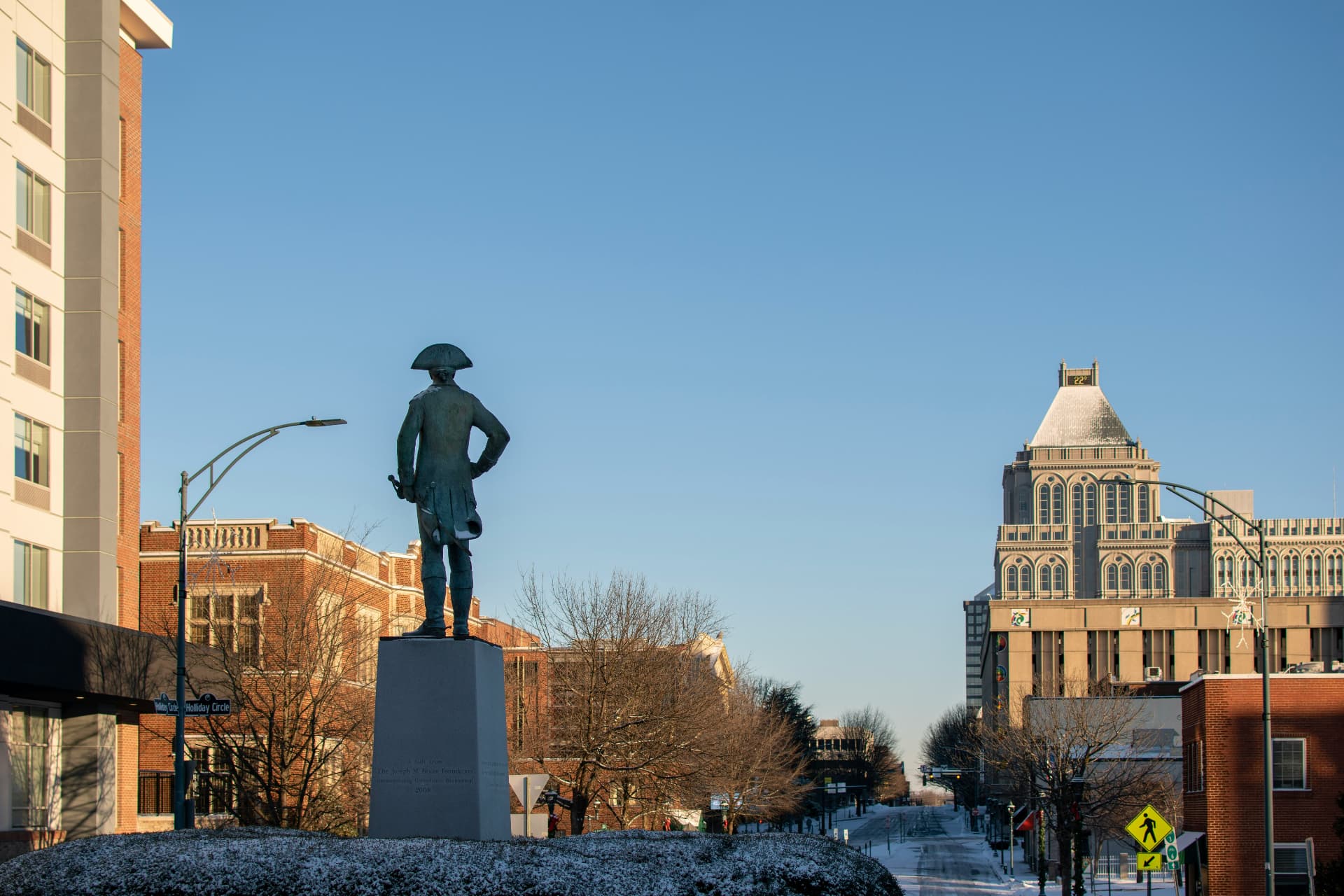
A compact, affordable city with neighborhoods that have more character than the bigger metros next door
A brightplace city orientation for renters relocating to Greensboro or renting here for the first time
Greensboro doesn’t get the attention that Charlotte and Raleigh do, which turns out to be one of its best qualities. Rents run meaningfully lower than both, the city has a walkable core and neighborhoods with distinct identities, and it is compact enough that you can actually understand it within a few weeks of living there. If you are relocating to Greensboro or renting here for the first time, this is where to start.
One honest framing note before the neighborhoods: Greensboro is a car-dependent city. Public transit exists but covers limited ground, and most errands will require a car regardless of which neighborhood you choose. The flip side is that the neighborhoods closest to downtown are genuinely walkable within their boundaries, and the city’s greenway system connects several of them on foot or by bike. Choose your neighborhood based on lifestyle fit, not the assumption that you can get everywhere without a car.
Here are five neighborhoods that come up consistently when renters start asking where to land.
| Neighborhood | Best For | 1BR Rent Range | Walkability | Vibe |
|---|---|---|---|---|
| Downtown / Fisher Park | Urban experience, walkability | $1,100 - $1,400 | High (for Greensboro) | City in transition, cultural anchors |
| Westerwood | Historic character, creative community | $900 - $1,200 | Moderate to high | Craftsman bungalows, arts identity |
| Lindley Park | Green space, community feel, value | $800 - $1,000 | Low to moderate | Settled, neighborhood-first |
| Irving Park / New Irving Park | Space, quiet, residential quality | $1,200 - $1,500 | Low | Established, upscale residential |
| College Hill | Low rent, eclectic energy, arts | $700 - $950 | Moderate | University-adjacent, lively |
In this guide
Downtown and Fisher Park
The most urban option in Greensboro and the one that has changed most noticeably in the last decade. LeBauer Park anchors the downtown core and has become a genuine gathering point: farmers markets, food trucks, concerts, the kind of activity that makes a downtown feel lived-in rather than just transactional. The Tanger Center for the Performing Arts and the Carolina Theatre add cultural infrastructure that most mid-sized cities don’t have. Fisher Park sits just north of downtown, offering tree-lined streets, historic early 20th-century architecture, and a tight-knit community feel within walking distance of everything downtown offers. Rental inventory includes loft-style units in converted historic buildings as well as newer properties. One-bedrooms generally run $1,100 to $1,400.
The tradeoff is that downtown Greensboro is still a city in transition. The restaurant and bar scene has improved substantially but remains uneven outside of a few concentrated blocks. Fisher Park’s historic stock, while charming, can mean older buildings with maintenance considerations worth asking about before signing a lease.
Best for: renters who want the most walkable, urban experience Greensboro offers and are comfortable being in a neighborhood still building out its identity.
Westerwood
The neighborhood locals keep recommending. Westerwood sits just west of downtown, close enough to walk to Elm Street restaurants and the Grasshoppers stadium, far enough to feel like a real neighborhood rather than a downtown extension. The housing stock is primarily Craftsman bungalows built between the 1920s and 1940s, with mature trees, front porches, and the kind of streetscape that makes daily life feel more pleasant than it has any right to. Lake Daniel Park on the northern edge is an 80-acre anchor with trails connecting to the Lake Daniel Greenway. The Westerwood Tavern, known locally as The Wood, is the kind of neighborhood bar every neighborhood should have.
Westerwood also has a genuine arts identity: the annual Art & Sole event brings open studios and outdoor installations to the neighborhood’s historic streets and has helped attract a creative community that gives the neighborhood a distinct character beyond its architecture.
The tradeoff is that Westerwood skews toward college students given its proximity to UNC Greensboro, which means the energy fluctuates noticeably between the academic year and summer.
Best for: renters who want historic character, walkability, and downtown access without paying downtown prices, and who appreciate a neighborhood with a creative community identity.
Lindley Park
Four miles west of downtown and a different pace entirely. Lindley Park is for renters who want to feel settled rather than central. The Greensboro Arboretum, 17 acres of botanical gardens with walking paths, sits at its heart, and the annual Lindley Park Chili Cook-off draws people from across the city, which tells you something about how the neighborhood sees itself. Local anchors like Hops Burger Bar and Bestway Grocery give it an independent, neighborhood-first commercial character that the more transient parts of the city don’t have. The housing stock runs from vintage bungalows to small apartment buildings, and rents are among the most accessible in the city. One-bedrooms can be found well under $1,000 in parts of the neighborhood.
The tradeoff is distance: downtown requires a car trip, and the neighborhood’s quieter character means less walkable dining and nightlife directly in the area.
Best for: renters optimizing for green space, community feel, and value over proximity to downtown energy.
Irving Park and New Irving Park
The established, upscale end of the Greensboro rental market. Irving Park was developed around the Greensboro Country Club and has the tree-lined streets, large lots, and architectural character that comes from that lineage. Country Park, one of Greensboro’s largest green spaces, sits adjacent and provides serious outdoor infrastructure. Battleground Avenue runs along the eastern edge, giving residents access to shopping and restaurants without a downtown trip. Rents sit at the higher end of the Greensboro range and inventory skews toward larger units. New Irving Park offers a slightly more suburban feel with newer construction for those who want the Irving Park location without the older housing stock.
The tradeoff is that both neighborhoods are quiet and residential by design: excellent for renters who want that, less interesting for those who prioritize a walkable social scene.
Best for: renters who want space, green space, and a settled residential quality of life, and are willing to pay a Greensboro premium for it.
College Hill
The most eclectic neighborhood on this list and the one with the most visible energy. College Hill borders UNC Greensboro directly and has the mix of historic homes, independent businesses, and neighborhood density that comes from a century of university adjacency. The Weatherspoon Art Museum on the UNCG campus is a legitimate cultural asset. Housing ranges from converted historic homes to apartments built for student populations, meaning real variety at a wide range of price points. One-bedrooms can be found at some of the lowest rates in the city.
The tradeoff is that College Hill is the noisiest neighborhood on this list and the most affected by the academic calendar. For renters who want that energy, it is a feature. For those who don’t, it is the reason to look elsewhere.
Best for: renters who want neighborhood character, low rents, and proximity to arts and university culture, and are comfortable with the energy that comes with it.
One neighborhood that didn’t make this list but kept surfacing across multiple sources: Sunset Hills, just west of downtown near the University of Greensboro. Known for its tree-lined streets, strong community identity, and proximity to Friendly Shopping Center, it is worth investigating for renters who want a residential feel with good access to amenities. Its famous holiday light display, giant illuminated balls strung high into the trees each December, is either the most charming thing you’ve ever heard or a reason to look elsewhere, depending on your relationship with neighborhood tradition.
Trying to figure out which of these actually fits how you want to live?
brightplace is building a better way to find your next apartment.
Explore more neighborhoods at brightplace.ai
Frequently Asked Questions About Greensboro Neighborhoods for Renters
What are the best neighborhoods in Greensboro for renters?
Five Greensboro neighborhoods come up consistently for renters: Downtown and Fisher Park, Westerwood, Lindley Park, Irving Park and New Irving Park, and College Hill. Downtown offers the most urban experience, Westerwood offers historic Craftsman character, Lindley Park offers green space and value, Irving Park offers quiet residential space, and College Hill offers low rents.
How much is rent in Greensboro?
One-bedroom rents in Greensboro generally run about $700 to $1,500 depending on the neighborhood, based on market estimates as of September 2026. College Hill sits around $700 to $950, Lindley Park $800 to $1,000, Westerwood $900 to $1,200, Downtown and Fisher Park $1,100 to $1,400, and Irving Park $1,200 to $1,500.
Do you need a car in Greensboro?
Yes, Greensboro is a car-dependent city. Public transit exists but covers limited ground, and most errands require a car regardless of neighborhood. The neighborhoods closest to downtown are walkable within their own boundaries, and the city's greenway system connects several of them on foot or by bike, but plan on owning a car.
What is the most walkable neighborhood in Greensboro?
Downtown and Fisher Park offer the most walkable, urban experience in Greensboro. LeBauer Park anchors downtown with farmers markets, food trucks and concerts, and the Tanger Center and Carolina Theatre add cultural venues. Fisher Park, just north of downtown, has tree-lined streets and historic architecture. One-bedrooms generally run $1,100 to $1,400.
What is the cheapest neighborhood to rent in Greensboro?
College Hill and Lindley Park have some of the lowest rents in Greensboro. College Hill borders UNC Greensboro, with one-bedrooms around $700 to $950, though it is noisier and tied to the academic calendar. Lindley Park, four miles west of downtown, has one-bedrooms around $800 to $1,000 and centers on the Greensboro Arboretum.
What is Westerwood like for renters?
Westerwood is a historic neighborhood just west of downtown, close enough to walk to Elm Street restaurants and the Grasshoppers stadium. Housing is mostly Craftsman bungalows built between the 1920s and 1940s, and the 80-acre Lake Daniel Park sits on its northern edge. One-bedrooms run about $900 to $1,200, and the annual Art & Sole event reflects its arts identity.
What is Irving Park like for renters?
Irving Park is the established, upscale end of the Greensboro rental market, with tree-lined streets, large lots and inventory that skews toward larger units. Country Park sits adjacent, and Battleground Avenue provides shopping and restaurants. One-bedrooms run about $1,200 to $1,500. New Irving Park offers newer construction with a slightly more suburban feel.
Rent data reflects market estimates as of September 2026 and is subject to change. Verify current availability directly with each community.
brightplace neighborhood guide | greensboro, nc | 2026
How this article was made: brightplace used AI tools to help research, draft and update this article.