Where to Live in Chicago with a Dog
A brightplace neighborhood guide
A brightplace neighborhood guide
If you are moving to Chicago with a dog, the winter question comes up fast. It should. From November through April, daily walks are a commitment. Cold, windy, and non-negotiable regardless of what the wind chill says. The neighborhoods on this list were chosen in part because they make that commitment manageable: walkable blocks, nearby green space, a street grid that doesn’t punish you for being outside in February.
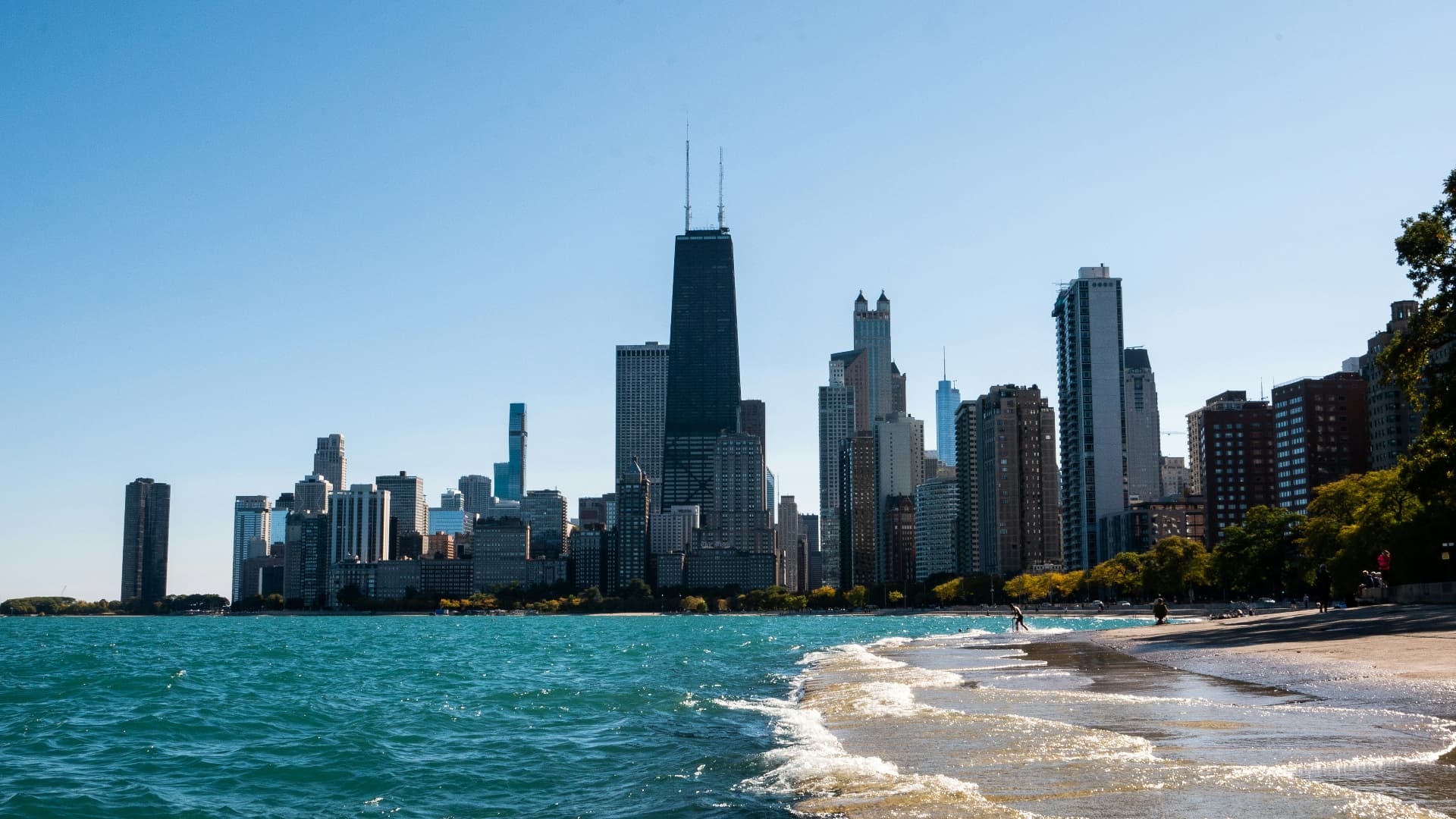
But here is what the weather conversation usually skips: from May into October, Chicago is one of the most genuinely enjoyable urban experiences in the country. Residents don’t flee for the summer the way New York and Boston empty out. The lakefront, the parks, the patios: they fill up with people who actually live there. For dog owners, those six months are exceptional. The winters are the price of admission. The summers are why people stay.
These five neighborhoods consistently rise to the top for renters with dogs.
In this guide
Lincoln Park
The obvious answer, which means it deserves an honest look. The infrastructure is unmatched: Wiggly Field dog park, direct lakefront access, 19 parks, and one of the highest vet and pet service concentrations in the city. Water bowls outside storefronts and pet boutiques on every block, the neighborhood has fully absorbed dogs into daily life.
The tradeoff is density. Wiggly Field on a Saturday morning can feel more like a crowded cocktail party than an open run, and larger breeds will feel the squeeze. The housing stock skews toward the higher end of the price range. Lincoln Park rewards renters who choose it deliberately rather than by default.
Best for: Dog owners who want the full-service urban pet experience and are willing to pay for it.
Lincoln Square
Gets described as Lincoln Park’s quieter cousin, which undersells it. For dog owners specifically it may be the stronger pick. Montrose Harbor lakefront access is genuine and far less crowded. Winnemac Park is enormous. The housing stock skews larger vintage apartments, greystones and two-flats with real square footage, which matters if you have a bigger dog or simply don’t want to negotiate space with your animal every morning.
The service infrastructure is specialized in the right ways: Ruff Haus Pets is a neighborhood institution, trainer and groomer density is unusually high, and multiple quality vets sit within a short walk. In winter, the residential street grid is more sheltered than the exposed lakefront neighborhoods.
Best for: Renters with larger dogs who want Lincoln Park’s infrastructure with fewer crowds and more room to breathe.
Roscoe Village
The neighborhood dog owners find and quietly tell their friends about. The morning walk routine (down Roscoe Street, past the sidewalk cafes, through the tree-lined residential stretches) is one of the better daily dog-walking corridors in the city. The housing stock, mostly vintage two-flats and greystones, delivers square footage at prices that undercut Lincoln Park and Lakeview by a meaningful margin.
The tradeoff is off-leash access. There is no dedicated dog park within the neighborhood, so owners who need a daily off-leash run will make a routine trip to a neighboring park. Roscoe Village Animal Hospital is a well-regarded neighborhood institution.
Best for: Dog owners who want residential quiet and neighborhood character without the Lincoln Park price tag.
Andersonville and Edgewater
Montrose Dog Beach alone would put this area on the list. It is a designated off-leash beach where dogs can swim and run from May through October, three blocks from apartments that cost significantly less than comparable units in Lincoln Park. On a warm Saturday morning it is one of the most genuinely joyful scenes in the city.
The neighborhood case extends beyond the beach. Andersonville has a strong independent retail culture where dogs accompany owners along Clark Street as a matter of routine. The housing stock skews larger vintage apartments, which is critical for bigger breeds. The lakefront trail provides year-round walking infrastructure. The tradeoff is distance, Andersonville sits further north, which adds transit time for anyone commuting downtown regularly.
Best for: Dog owners who want space, beach access, and a neighborhood that has adopted dog culture into its identity.
West Loop
Makes this list for a different reason than the others. Where Lincoln Square and Roscoe Village make the case through neighborhood character, West Loop makes it through building amenities, and for a specific kind of dog owner that distinction matters most. Newer construction here was designed with pets in mind from the ground up: on-site dog runs, pet washing stations, and grooming suites built into the building rather than added as afterthoughts.
Mary Bartelme Park offers on-leash and off-leash areas. The patio density along Randolph Street means dog-friendly outdoor dining that rivals any neighborhood in the city. The tradeoff is urban intensity, West Loop is denser, louder, and more expensive than the other four picks, and the wide corridor streets create a wind tunnel effect in winter.
Best for: Dog owners who want a building-first pet experience and are happy trading neighborhood quiet for proximity to the city’s best dining and energy.
Trying to figure out which of these actually fits how you want to live?
brightplace is building a better way to find your next apartment.
Explore more neighborhoods at brightplace.ai
Frequently Asked Questions About Chicago Neighborhoods for Pet Owners
What are the best Chicago neighborhoods for dog owners?
Five Chicago neighborhoods consistently rise to the top for renters with dogs: Lincoln Park, Lincoln Square, Roscoe Village, Andersonville and Edgewater, and West Loop. Each was chosen for walkable blocks and nearby green space. They differ on crowds, apartment size, off-leash access, building amenities and price, so the right pick depends on your dog and budget.
Where can dogs go off-leash in Chicago?
Chicago has several off-leash options in these neighborhoods. Lincoln Park has the Wiggly Field dog park. Montrose Dog Beach near Andersonville and Edgewater is a designated off-leash beach where dogs can swim and run from May through October. In West Loop, Mary Bartelme Park offers both on-leash and off-leash areas.
Is Chicago a good place to have a dog in winter?
Chicago winters are demanding for dog owners. From November through April, daily walks are cold, windy and non-negotiable. Neighborhoods with walkable blocks and nearby green space make that easier. Lincoln Square's residential street grid is more sheltered than exposed lakefront areas, while West Loop's wide streets create a wind tunnel effect in winter.
Which Chicago neighborhood is best for large dogs?
Lincoln Square is a strong pick for renters with larger dogs. Its housing skews toward larger vintage apartments, greystones and two-flats with real square footage, and Winnemac Park is enormous. Andersonville and Edgewater also offer larger vintage apartments. Lincoln Park's Wiggly Field can feel crowded on weekends, and larger breeds will feel the squeeze.
What is the most affordable dog-friendly neighborhood in Chicago?
Roscoe Village offers vintage two-flats and greystones at prices that undercut Lincoln Park and Lakeview by a meaningful margin. Andersonville and Edgewater also have apartments that cost significantly less than comparable Lincoln Park units. West Loop is the most expensive of the five neighborhoods, and Lincoln Park's housing skews toward the higher end.
Which Chicago neighborhood has the most pet-friendly apartment buildings?
West Loop stands out for building amenities. Its newer construction was designed with pets in mind, with on-site dog runs, pet washing stations and grooming suites built into buildings. Randolph Street adds dog-friendly patio dining. The tradeoff is that West Loop is denser, louder and more expensive than the other four neighborhoods in this guide.
Is Lincoln Park worth it for dog owners?
Lincoln Park offers the most complete pet infrastructure in this guide, with Wiggly Field, direct lakefront access, 19 parks and a high concentration of vet and pet services. The tradeoffs are density and cost. Wiggly Field can feel crowded on Saturday mornings, and the housing stock skews toward the higher end of the price range.
Rent data reflects market estimates as of September 2026 and is subject to change. Verify current availability directly with each community.
brightplace neighborhood guide | chicago, il | 2026
How this article was made: brightplace used AI tools to help research, draft and update this article.